Top 10 Tips for Your First Yellowstone Trip
Yellowstone is the kind of place that can genuinely change how you see the world. Boiling rivers, erupting geysers, bison herds crossing the road in front of your car — it's all real, and it's all waiting for you. But a little planning goes a long way toward making your first visit unforgettable (in the best way). Here are ten things we wish someone had told us before our first trip.
- Go early in the season — or late. Mid-June through mid-August is peak season, and the park feels it. If you can swing a trip in late May or September, you'll find smaller crowds, cooler temperatures, and wildlife that's more active. The tradeoff? Some roads may still be closed in late spring, so check the park's road status before you go.
- Start your days early. The single best tip anyone can give you: be on the road by 7 a.m. or earlier. You'll beat the crowds at major attractions, catch golden morning light on the geysers, and have a much better shot at wildlife sightings. By 10 a.m. the parking lots at Old Faithful and Grand Prismatic are packed — but at 7:30, you might have them nearly to yourself.
- Pack layers — lots of them. Yellowstone sits at high elevation and the weather is wildly unpredictable. A sunny 75-degree afternoon can turn into a 45-degree rainstorm in an hour. Bring a warm fleece, a rain jacket, and a hat even in July. Mornings and evenings are always cool, no matter the season.
- Download your audio tour before you arrive. Cell service in Yellowstone ranges from spotty to nonexistent. Our self-guided audio tours work completely offline once downloaded — stories and narration trigger automatically by GPS as you drive, so you can keep your eyes on the road and your hands off your phone. Download everything while you still have Wi-Fi.
- Give yourself more time than you think. Most people underestimate how big Yellowstone is. The Grand Loop alone is 142 miles, and with stops, pullouts, and inevitable wildlife jams, even one loop can take a full day. We recommend a minimum of three days, but five or more is ideal if you want to do more than drive-by sightseeing.
- Bring binoculars. Seriously. You'll spot wolves in the Lamar Valley, osprey nests on the Yellowstone River, and bison herds across distant meadows. A pair of compact binoculars will transform your experience. If you forget, the Yellowstone Association bookstores in the park sell them.
- Respect the wildlife — and the rules. Stay at least 100 yards from bears and wolves, and 25 yards from all other large animals. These aren't suggestions — they're regulations, and they exist because people get hurt every year. Use your car as a blind for wildlife viewing, and never approach an animal for a photo. The zoom on your phone will thank you later.
- Book lodging well in advance. In-park lodges like Old Faithful Inn and Lake Yellowstone Hotel book up six months to a year in advance. If you're flexible, look into gateway towns like West Yellowstone, Gardiner, or Cooke City. Camping reservations also fill up fast, so plan ahead or look into first-come, first-served sites like Mammoth Campground.
- Don't skip the Lamar Valley. It's sometimes called the "Serengeti of North America" for good reason. The wide open valley in the park's northeast corner is the best place to see wolves, bears, pronghorn, and massive bison herds. An early morning or late evening drive through the valley is one of the most magical experiences in any national park.
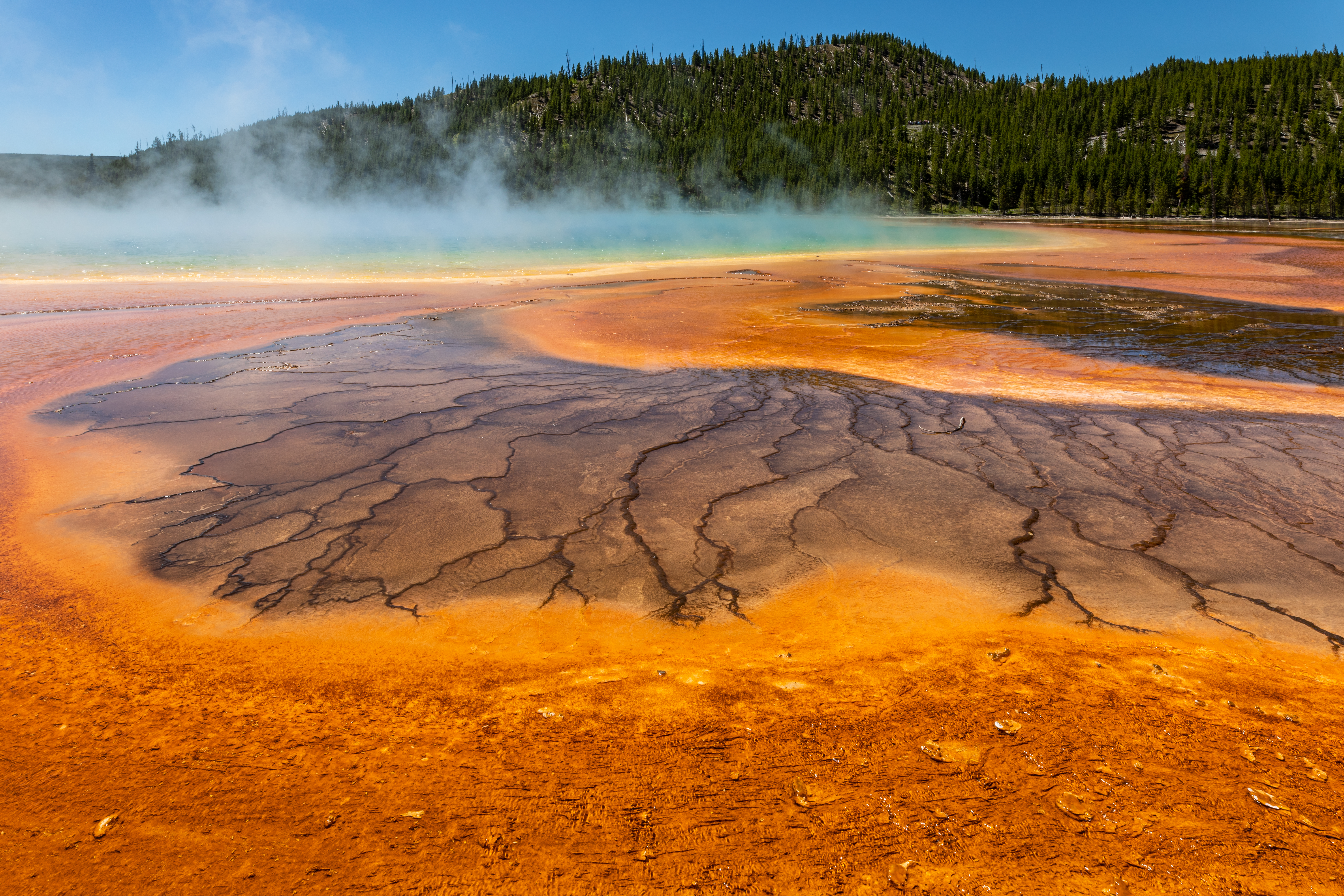
- Let the boardwalks be your guide at thermal areas. The ground around geothermal features can be thin and scalding water lurks just below the surface. Always stay on marked boardwalks and trails in thermal areas. It protects you and protects these fragile, irreplaceable features. Grand Prismatic Spring and Norris Geyser Basin are incredible — just enjoy them from the path.
Pro tip: Pair these tips with a TheParkGuide audio tour and you'll hear the stories behind everything you're seeing — the geology of Old Faithful, the history of the park's wolf reintroduction, and dozens of hidden stops most visitors drive right past.
Yellowstone has a way of exceeding expectations, even when those expectations are sky-high. A little preparation means less stress and more time soaking in the kind of scenery that makes you pull over, turn off the engine, and just stare. That's the goal. Happy trails.
Explore Yellowstone with Us
Our GPS-triggered audio tours bring the park to life — history, geology, wildlife, and hidden gems, all narrated as you drive. Both halves of the park, 1,882 stops.
See the Yellowstone Tours →Or go park by park: Yellowstone North · Yellowstone South · Grand Teton · all three together